Understand / BNT DOOM GUIDES
Understanding BTC 15-Minute Signals
Read BUY UP and BUY DOWN, confidence, probability and contract timing in BNT DOOM without confusing a signal with a fill or a return.
On this page
What BUY UP and BUY DOWN mean
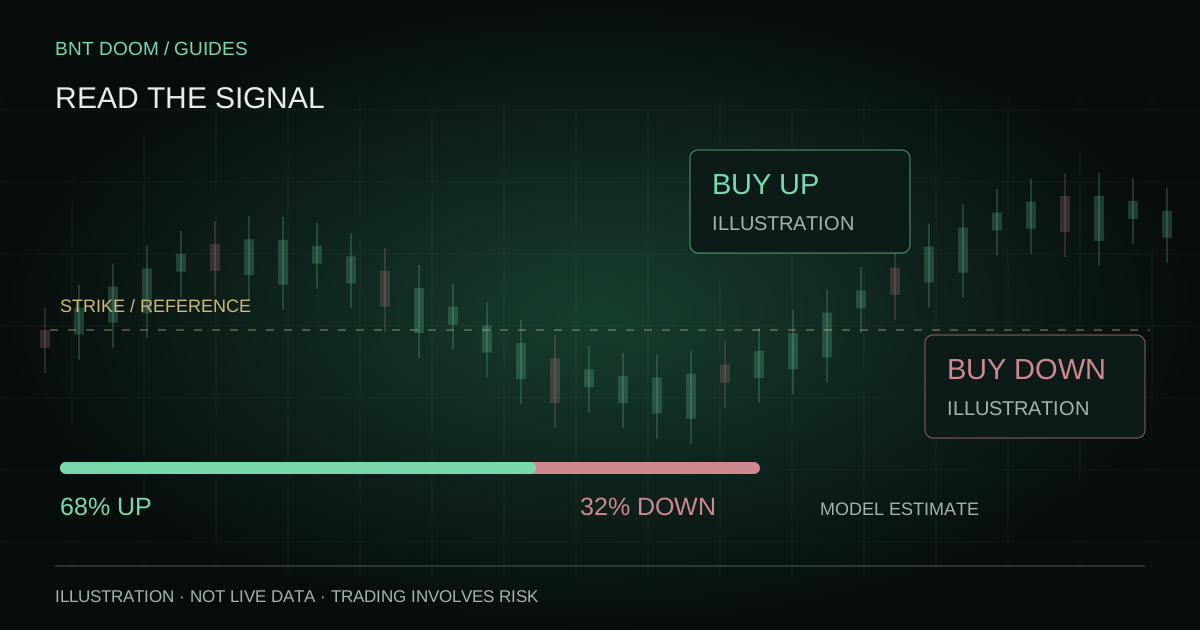
DOOM presents a directional view for a particular Bitcoin 15-minute round. In the supported Kalshi mapping, UP corresponds to YES and DOWN to NO. Read that direction with the displayed contract identity and its rules. A direction from an earlier round is not an instruction for the current contract.
A WAIT or unavailable state is meaningful. It does not ask you to infer a direction from a previous signal. If data, a quote or an actionable signal is missing, use the recorded state instead of treating the decorative chart direction as a trading instruction.
Probability, confidence and price are different
A probability is a model estimate of an outcome. Confidence describes the strength or certainty associated with a model assessment; it is not a guarantee. An exchange quote is the price at which contracts are offered or bid. Similar-looking percentages and cent prices should not be treated as interchangeable evidence.
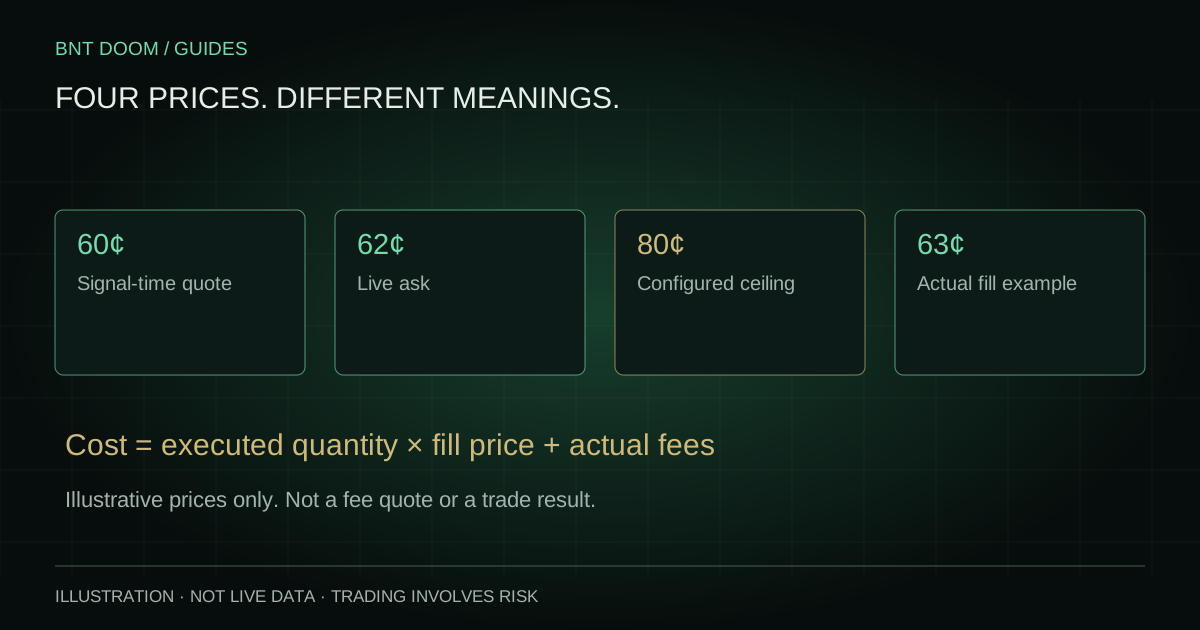
For example, an illustrative 68% UP estimate can appear beside a 62¢ ask. That difference alone does not establish a profitable opportunity: estimation error, fees, spread, liquidity, timing and your eventual fill all matter. The 68/32 graphic on this page explains the display; it is not a live signal or measured historical accuracy.
| Readout | What it tells you | What it does not establish |
|---|---|---|
| Model direction | The model’s selected side for the round | An order or a position |
| Probability / confidence | A model estimate or strength measure | A verified win rate |
| Selected-side ask | Current offered contract price | Your eventual fill price |
| Actual fill | Executed price and quantity | The final net return before costs are reconciled |
Match the signal to the contract clock
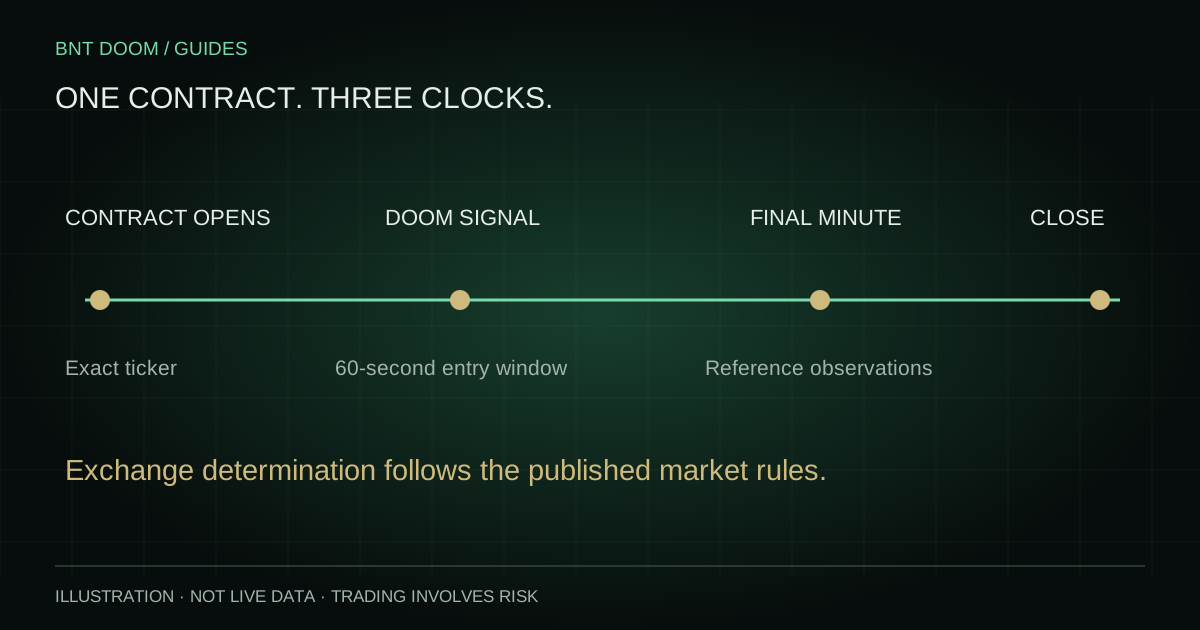
Check the market ticker, closing time and strike/reference level before comparing two signals. Bitcoin chart observations help explain context, but Kalshi’s contract rules specify how an outcome is determined. A chart update and an exchange settlement result are separate events.
Automatic entries currently have a 60-second eligibility window from the round’s first actionable DOOM signal. That clock does not restart when you refresh, change settings or turn the rule off and on. If the window closes, the rule can remain armed for a later eligible round; existing Auto Sell exits can continue.
A signal can exist without an executed trade
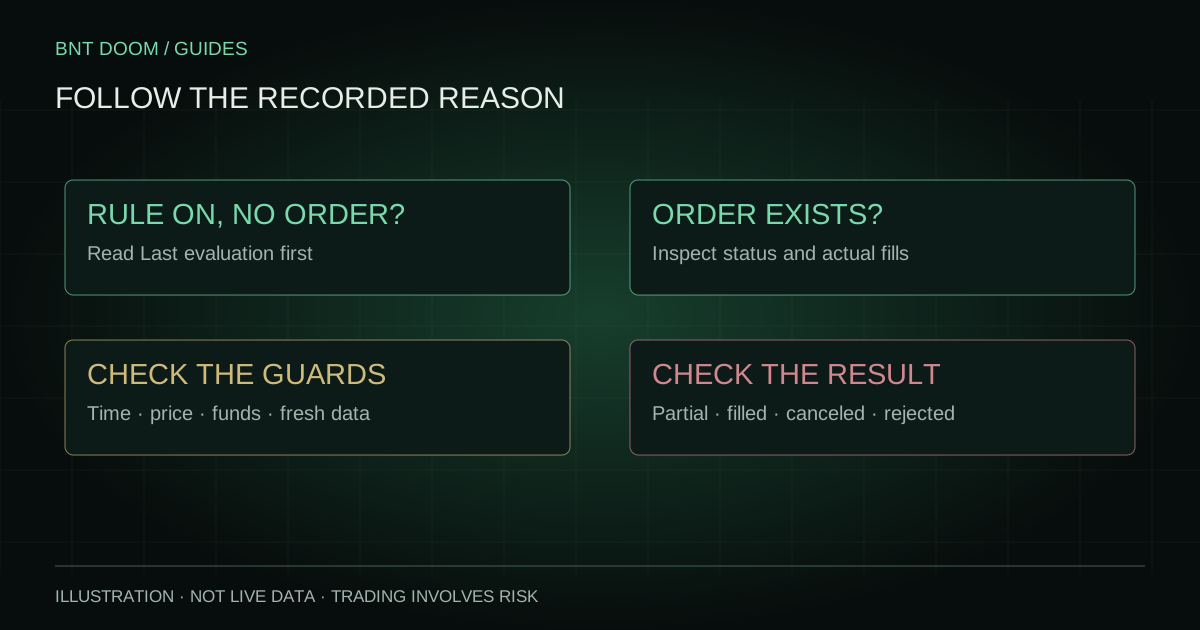
Auto Buy still checks the saved rule, current price, market mapping, available market buying power and other execution conditions. A quote above your limit can prevent a buy even when the direction remains UP. A duplicate guard can prevent a repeat attempt after the system has already handled that round.
If you see a signal but no position, inspect Last evaluation rather than assume the signal failed. If an order exists, inspect its filled and remaining quantities in Trade History. Those checks distinguish a skipped evaluation from an order that reached the exchange but did not fill.
Evaluate accuracy separately from returns
Historical directional accuracy needs a defined sample, dates, the exact contract reference, treatment of missing signals and a reproducible method. A model’s present confidence is not that historical measurement. This guide does not publish a win rate because no dated, reproducible public performance source is being supplied with it.
Trading returns need another layer: executed quantities, entry and exit prices, fees and final settlement or realized proceeds. A correct directional call bought at an expensive price may still deliver a poor return. Keep the model question and the execution question separate when reviewing your own records.